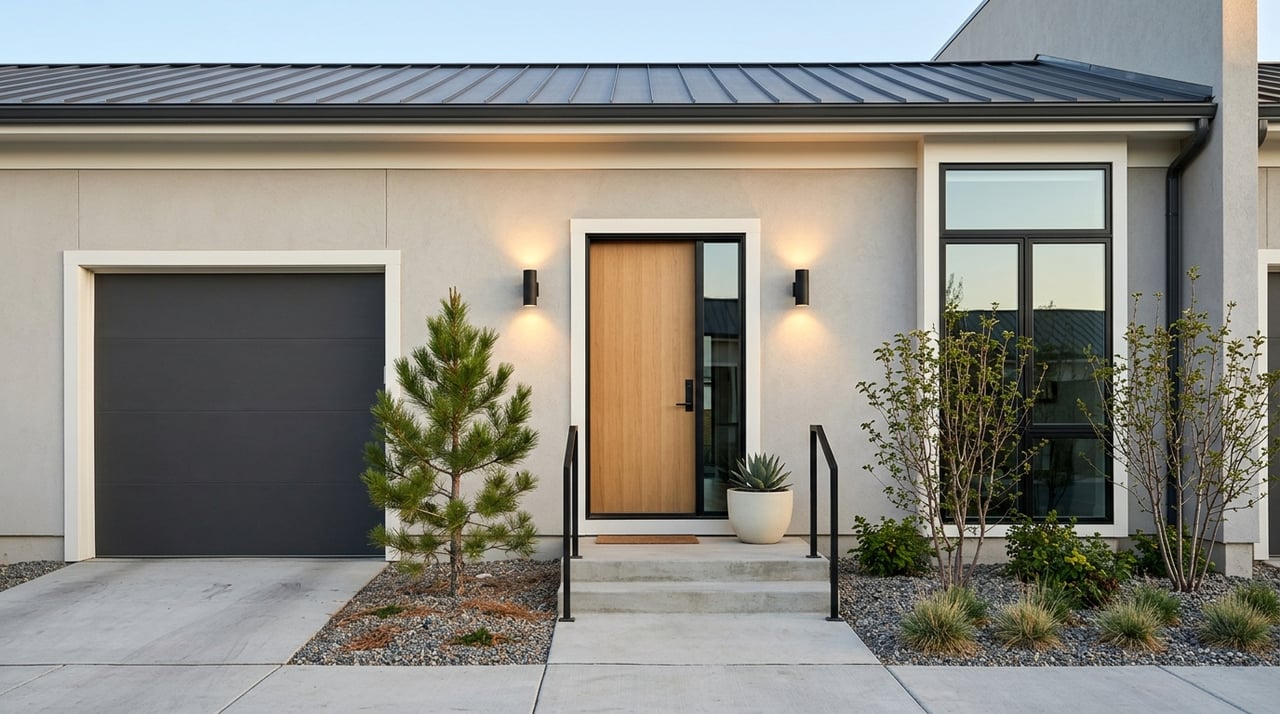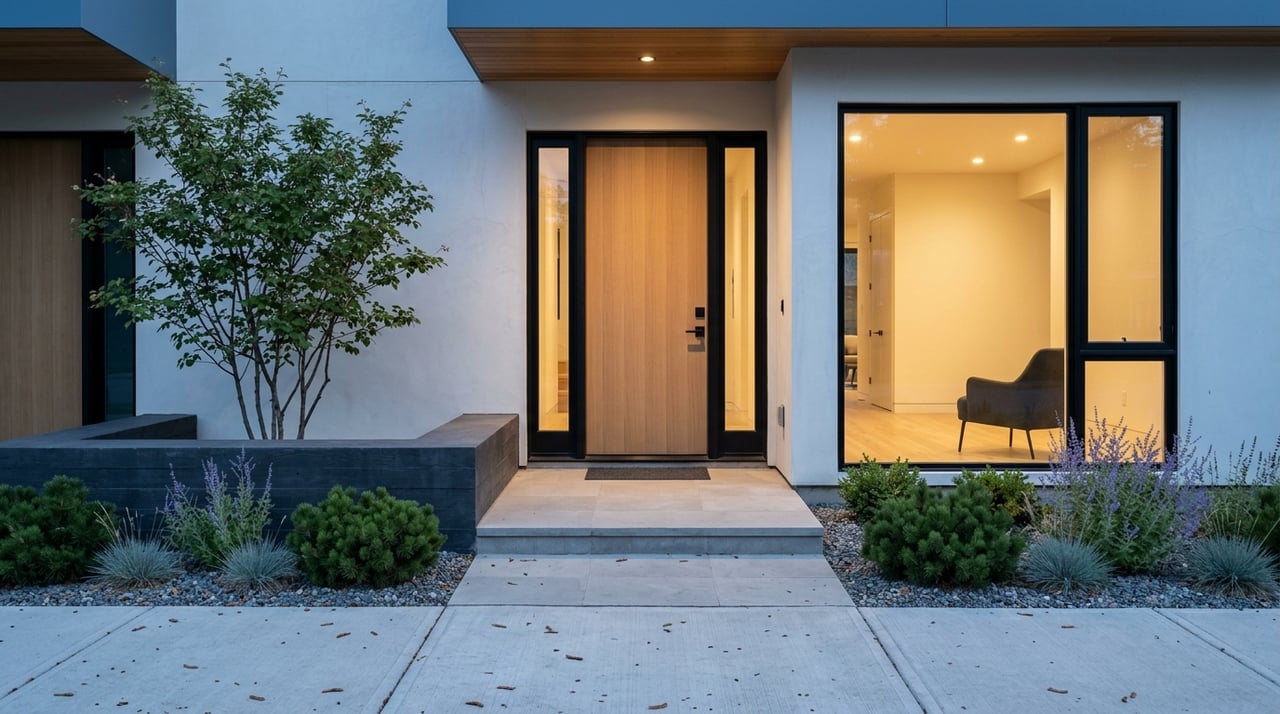
Wondering if you can enjoy homeownership in Denver without spending every weekend on exterior chores and constant upkeep? You are not alone. Many buyers want a home that feels easy to live in, easy to leave, and easier to budget for, especially in a city with so many condo, townhome, and mixed-use options. This guide will help you understand what low-maintenance living usually means in Denver, what to compare before you buy, and which parts of the city often fit that lifestyle. Let’s dive in.
What Low-Maintenance Living Means
In Denver, low-maintenance living often means you own a home in a community where an association handles part of the exterior upkeep, common-area care, or building operations. That can include things like landscaping, shared hallways, roofs, or other common elements, depending on the property and the governing documents.
The key point is that low maintenance does not mean no maintenance. What the association covers, what you are responsible for, and how the community is managed can vary a lot from one property to the next. That is why the details matter more than the label.
In Colorado common-interest communities, regular assessments commonly help pay for operational expenses such as maintenance, landscaping, legal fees, registration fees, and insurance. Special assessments may be used for specific projects like repairs, replacements, or reserve funding, so it is important to look beyond the monthly dues number alone.
Compare Denver Property Types
Condos
Condos are often the first property type buyers think about when they want a lock-and-leave lifestyle. Because condo buildings commonly share walls, roofs, and other structural elements, they are often associated with lower exterior upkeep for the individual owner.
That said, condo ownership comes with shared systems and shared financial decisions. In Colorado, buyers are advised to review both the HOA master insurance policy and their own HO6 policy so they understand what is covered by the association and what they need to insure themselves.
Townhomes
Townhomes can be a great fit if you want an attached-home feel with less exterior work than a detached house. Many buyers like that townhomes can offer more private entry, more separation of space, and sometimes a more house-like layout while still reducing some of the day-to-day maintenance burden.
Still, not every townhome works the same way. Colorado guidance notes that the association is generally responsible for common elements and each owner is generally responsible for the unit, unless the declaration says otherwise. In practical terms, one townhome community may handle more exterior maintenance than another, so you should never assume the setup is identical.
Managed Communities
Some buyers are less focused on condo versus townhome and more focused on how the community operates. Professionally managed communities may offer a smoother day-to-day experience because a community association manager handles routine operations.
Colorado allows both self-managed and professionally managed communities. That means convenience, responsiveness, and oversight can differ significantly from one development to another, even if the homes look similar on paper.
HOA Dues Matter, But So Does Value
One of the biggest mistakes buyers make is comparing HOA dues without comparing what those dues actually cover. A lower monthly fee may look appealing at first, but it does not always mean the community will be less expensive over time.
In Colorado, HOA boards generally have broad budget authority, and dues can usually be raised as needed to meet the annual budget unless the declaration sets a cap. Buyers should review the current budget, reserve policy, and any history of special assessments to get a better picture of long-term affordability.
Reserve funding is especially important in lower-maintenance communities with major shared components. Colorado requires budget and reserve processes for HOAs, and recent legislation requires reserve studies for communities with major shared components. Sellers also must provide reserve-study information to potential purchasers through the disclosure process.
Do Not Overlook Insurance And Taxes
Monthly ownership costs in Denver usually include more than your mortgage payment. HOA dues are typically paid directly to the association and are usually separate from the mortgage payment, even though a servicer may occasionally escrow them on request.
Insurance is another major piece of the puzzle. Colorado regulators advise condo and townhome owners to review the association master policy and their own HO6 coverage for gaps, deductibles, and possible loss assessments. They also note that wildfire risk is a concern for multi-family and attached homes in Colorado.
Property taxes should also be part of your budgeting plan. Denver says property taxes can be paid in two installments or in full by April 30, which can help you think through annual cash flow as you compare ownership options.
Denver Areas That Often Fit The Lifestyle
Downtown Denver Core
If your version of low-maintenance living includes a more car-light lifestyle, the downtown core is one of the clearest places to start your search. Denver planning documents describe downtown as mixed use, highest density, tallest buildings, high pedestrian activity, and a transit hub.
The city also notes that the downtown core has added nearly 10,000 housing units over the past 20 years. For buyers who want walkability, shared amenities, and easy access to transit, this area often checks many of the right boxes.
Cherry Creek North
Cherry Creek North is another logical area to explore if you want lower-maintenance ownership in an established urban setting. Denver describes it as an admired residential address in the midst of its biggest construction boom in decades, with new apartments, condos, commercial space, retail, and a hotel.
That mix can make it appealing if you want a polished city lifestyle with a variety of ownership choices. It is also a useful area to compare if you are weighing newer lock-and-leave options against more established buildings and neighborhoods.
RiNo And River North
River North offers a different urban feel. Denver describes it as an emerging community with an industrial character and an eclectic mix of older warehouses, rail yards, and new mixed-use developments.
For buyers, that can translate into opportunities to explore newer condos, loft-style homes, and attached properties near restaurants and transit. If you like a more modern, mixed-use environment, this area is worth a closer look.
East Central Neighborhoods
Denver’s East Central Area Plan includes Capitol Hill, North Capitol Hill, Congress Park, Cheesman Park, City Park, and City Park West. These central neighborhoods are worth considering if you want an urban setting with nearby amenities and a broad mix of attached-housing options.
Because the housing stock can vary widely, this part of Denver is often a good place to compare building style, association structure, and monthly costs side by side. It can be especially helpful for buyers who want location flexibility and a range of ownership formats.
West Denver Corridors
If you are looking west of downtown, Denver’s West Area Plan points to higher-intensity uses along key corridors and near high-capacity transit centers. The plan specifically calls out row house, townhouse, and three-story multi-unit forms in some low-medium incentive areas.
Neighborhoods such as West Colfax, Villa Park, Barnum, Barnum West, Sun Valley, and Valverde are worth watching for buyers who want lower-maintenance living with access to evolving urban corridors. These areas can be especially useful to include in your search if you want more options beyond the core.
Questions To Ask Before You Make An Offer
A low-maintenance home only works well when you understand the details of that specific community. In Colorado, once you are under contract, you are entitled to the HOA documents listed in section 7 of the residential contract, and state guidance recommends reviewing those governing and financial documents carefully.
Before you move forward, make sure you know the answers to questions like these:
- What exactly does the HOA maintain, and what remains your responsibility?
- Are there enough reserves, and is there a current reserve study or funding plan?
- Has the board raised dues recently, and do the governing documents cap future increases?
- Is the association professionally managed or self-managed?
- What does the master insurance policy cover, and what would you need through an HO6 policy?
- What rules affect parking, landscaping, or exterior changes?
These questions can help you compare two homes that may look similar online but function very differently once you own them. In Denver, the real difference is often not condo versus townhome. It is how maintenance, insurance, reserves, and rules are allocated in that particular community.
How To Shop Smarter In Denver
If you are searching for low-maintenance living, it helps to start with your lifestyle before you start with the floor plan. Think about how often you travel, how much exterior work you want to avoid, whether you care about professional management, and how comfortable you are with shared amenities and shared costs.
Then compare each option through the same lens. A well-run condo building in the downtown core, a townhome in West Denver, or an attached home in a central neighborhood may all fit your goals, but only if the budget, reserve planning, maintenance split, and insurance setup make sense for you.
This is where experienced local guidance can save you time and stress. When you know what questions to ask and what documents to review, you can focus on finding a home that truly supports the easier ownership experience you want.
Whether you are relocating, downsizing, buying your first Denver property, or simply ready for a more lock-and-leave lifestyle, The Denver Trio can help you compare your options and move with confidence.
FAQs
What does low-maintenance living mean in Denver real estate?
- It usually means you own a home in a condo, townhome, or other common-interest community where the association handles some exterior upkeep, common-area maintenance, or building operations.
What is the difference between a Denver condo and a Denver townhome?
- Condos often share more building systems and structural elements, while townhomes may feel more like a house, but in either case the maintenance split depends on the declaration, rules, and ownership structure of that specific community.
Are HOA dues included in a Denver mortgage payment?
- Usually no. HOA dues are typically paid directly to the association, although a loan servicer may sometimes escrow them on request.
What HOA documents should Denver buyers review before closing?
- In Colorado, buyers under contract are entitled to HOA documents listed in section 7 of the residential contract, and those documents should be reviewed to understand the HOA’s operations and financial condition.
Why do reserves matter in a Denver low-maintenance community?
- Reserve funding can show whether a community is planning ahead for major repairs and replacements, which may affect future dues, affordability, and the risk of special assessments.
Which Denver areas often offer low-maintenance housing options?
- Buyers often explore the downtown core, Cherry Creek North, RiNo, East Central neighborhoods, and some West Denver corridors because these areas include a mix of condos, townhomes, and other attached-housing options.