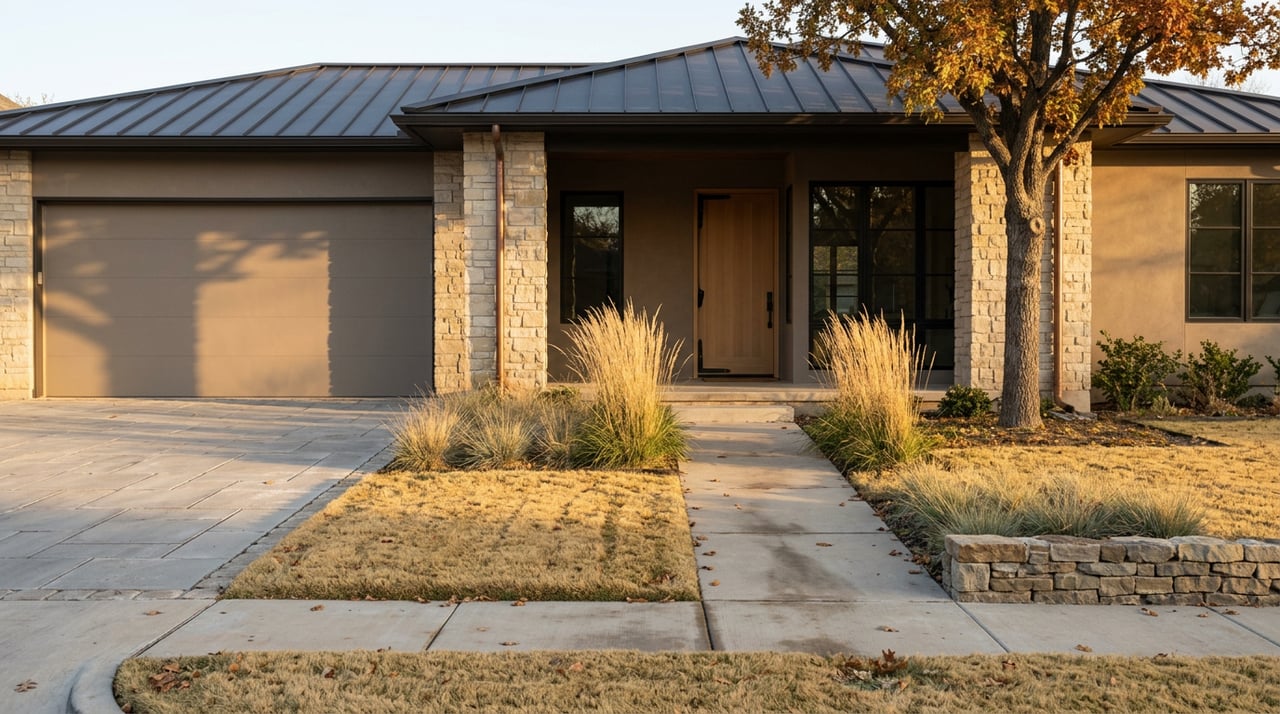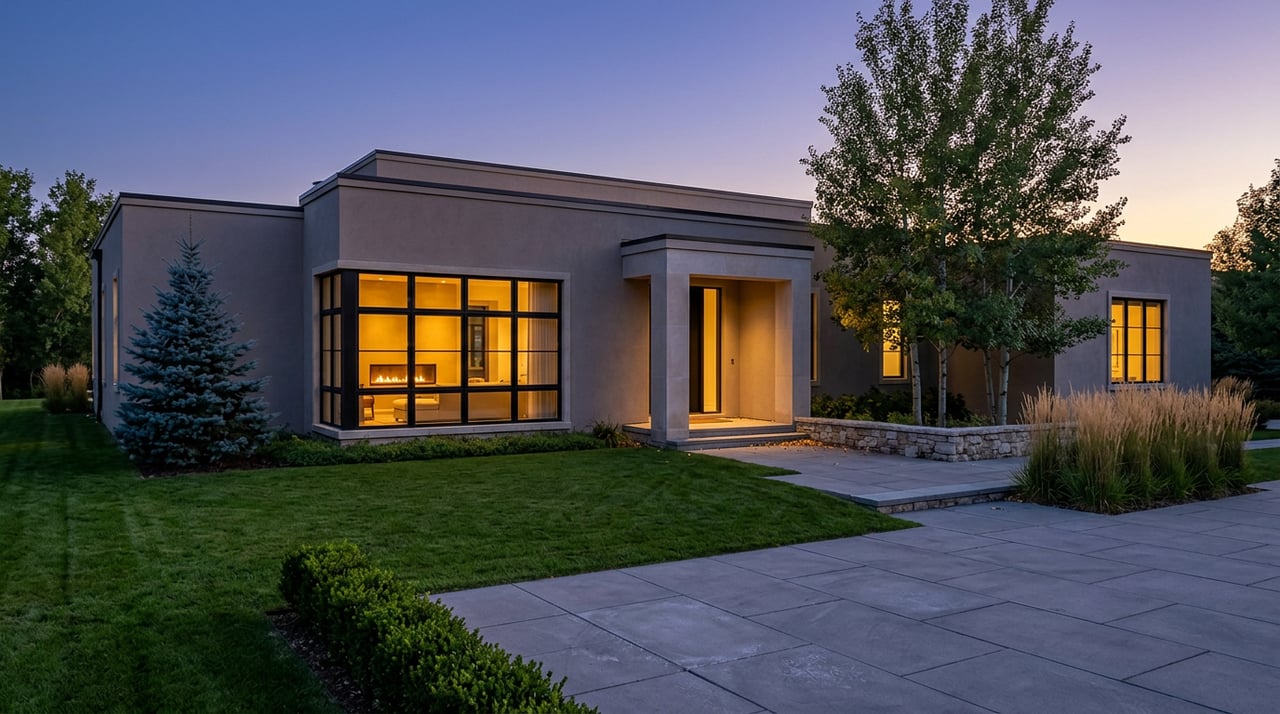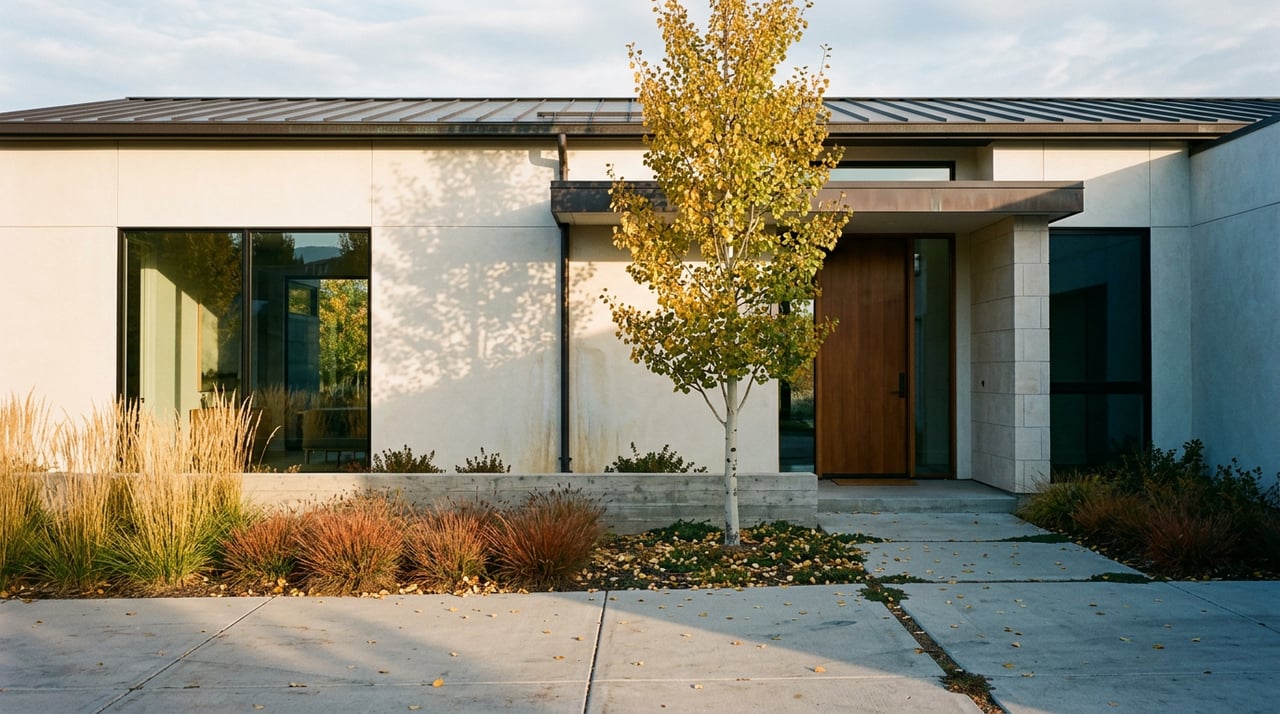
Walk two model homes in the same Castle Rock community this fall and you'll notice something that never shows up in the builder's glossy price sheet. A 1,900-square-foot floor plan and a 6,500-square-foot floor plan on nearly identical lots are no longer just different amounts of house. As of June 1, 2026, they carry meaningfully different city fee obligations, and the gap has nothing to do with granite or garage size. It comes down to a single number: square footage.
For years, Castle Rock priced its water-related development fees the way most Front Range towns still do, based largely on lot size and assumed irrigation demand. Bigger yard, bigger fee. That logic made sense when sprinkler systems ran unchecked and water use tracked acreage. It stopped making sense once the town's own 2022 ColoradoScape rules pushed nearly every new subdivision toward drought-tolerant planting. When Castle Rock Water studied actual consumption in homes built under those rules, the correlation had flipped. Water demand tracked the size of the house, not the size of the yard.
The Fee Nobody Puts on the Spec Sheet
Every new single-family home in Castle Rock pays three fees at the building permit stage: a renewable water resource fee, a water system development fee, and a wastewater system development fee. These aren't cosmetic line items. They fund the town's long-term shift away from the deep groundwater aquifers it has relied on for decades, sources the town itself describes as taking generations to recharge. Castle Rock Water's own materials note that only about a third of the town's supply came from renewable sources as of 2025, with a full transition targeted for 2065.
Historically, developers paid these fees based on projected outdoor water use tied to lot and landscape size. Castle Rock Water's director, Mark Marlowe, has said publicly that the town wanted a structure that reflected actual demand for both current and future customers, and that starting in 2026 the annual rate study, done with an outside consultant, showed the old model was misaligned with how homes actually use water now that landscaping standards have changed. New homes, in his words, simply aren't generating the peak demand the old fee schedule assumed.
What Changed on June 1, 2026
The rewritten ordinance ties all three fees to a home's gross floor area instead of lot size. The spread between the smallest and largest homes is not subtle. Under the new schedule, a home under roughly 2,000 square feet pays approximately $21,750 in combined development fees. A home in the 7,500 to 7,999 square foot range pays roughly $59,657, nearly triple, for the same three fee categories.
Here's how that plays out at different floor plan sizes, based on the town's revised fee bands:
| Home size | Combined development fees (approx.) |
|---|---|
| Under 2,000 sq ft | $21,750 |
| 7,500–7,999 sq ft | $59,657 |
The town expects the new structure to reduce total system development fee revenue by roughly 10 percent in the near term, an estimated $4 million, according to reporting on the change. That's real money the town is choosing to forgo because the data told them smaller homes weren't the ones straining the system.
Why This Matters More Than It Looks Like It Should
If you're comparing new construction across Castle Rock builders and communities, this fee structure changes the math in three ways worth sitting with before you sign a purchase agreement.
- Floor plan size now carries a direct, quantifiable cost beyond square footage pricing. A builder quoting a larger plan isn't just charging more for materials and finish level. Part of that price difference reflects a development fee bill that scales sharply with size.
- Builders have a new incentive to lean into efficient footprints. The Home Builders Association of Metro Denver, through spokesperson Morgan Cullen, has noted that development-related costs on a new single-family home in Castle Rock can top $100,000, close to 15 percent of the home's final price. A fee schedule that rewards smaller, well-designed plans gives builders a real reason to market them, not just build them.
- The comparison between new construction and resale just got less apples-to-apples. A home you buy today that was permitted before June 1, 2026, or a resale home built years ago, never touched this fee structure. New permits filed today do. Two homes that look similar on a listing sheet may have arrived at their price through very different fee math.
The Recurring Cost Underneath the One-Time Fee
The development fees above are one-time charges paid at permitting, but they sit on top of ongoing water costs that touch every Castle Rock household, not just new construction buyers. Water rates rose 4.5 to 5 percent in 2026, adding roughly $4 a month to the average residential bill. That increase is funding a $157 million capital plan running through 2030, including expanded imports through the WISE program and construction of the South Well Field Pipeline, with $86.5 million earmarked specifically for long-term supply acquisition.
The town has also leaned harder into demand-side tools. In March 2026, the town council approved $750,000 in rebates funded through surcharges on excessive watering, offering $3.25 per square foot for residents who replace turf with water-wise ColoradoScape plantings, up to 1,500 square feet per household. That program is the flip side of the same coin as the fee restructuring: the town is betting that reduced outdoor demand, whether through smaller new-build lots or converted turf on existing lots, is the more sustainable long-term strategy than building capacity to meet old-style irrigation habits.
What This Means If You're Weighing New Construction Against Resale
If you're touring new communities in Castle Rock right now, ask your builder directly how their pricing reflects the June 2026 fee schedule. A quoted base price that already bakes in the development fee for a specific floor plan tells you more about your all-in cost than the square footage alone. If you're comparing that new build against an existing resale home, remember the resale home's original owner absorbed a different fee structure entirely, one that may have been calculated on lot size rather than floor area, and that difference is now baked into the neighborhood's pricing history in ways a simple per-square-foot comparison won't reveal.
None of this changes whether Castle Rock is a good place to buy. It changes what you should be asking when you're deciding between floor plans, builders, or a new build versus a well-priced resale home a few years old. The fee structure is new. The homework it requires from you is new too.
A Few Questions Worth Asking Before You Sign
Does this fee apply to homes I'm buying on the resale market? No. These are one-time fees assessed at the building permit stage for new single-family construction. A resale home was already permitted under whatever fee schedule existed at the time it was built.
Does the new fee structure apply to condos or multifamily buildings? The revised methodology described here applies specifically to single-family residential homes on the town's standard residential meter. Other customer classes and meter sizes continue under the fee schedule implemented January 1, 2026.
Will my monthly water bill also go up if I buy new construction? Every Castle Rock household, new construction or not, is subject to the 2026 rate increase funding infrastructure like the WISE program and South Well Field Pipeline. The development fee and the monthly rate increase are separate costs funding separate parts of the system.
If you're weighing a new build against a resale home in Castle Rock, or trying to figure out what a builder's price actually includes, The Denver Trio can walk you through the real numbers behind the listing price. Get your free home valuation and let's talk through what your budget actually buys in today's Castle Rock market.