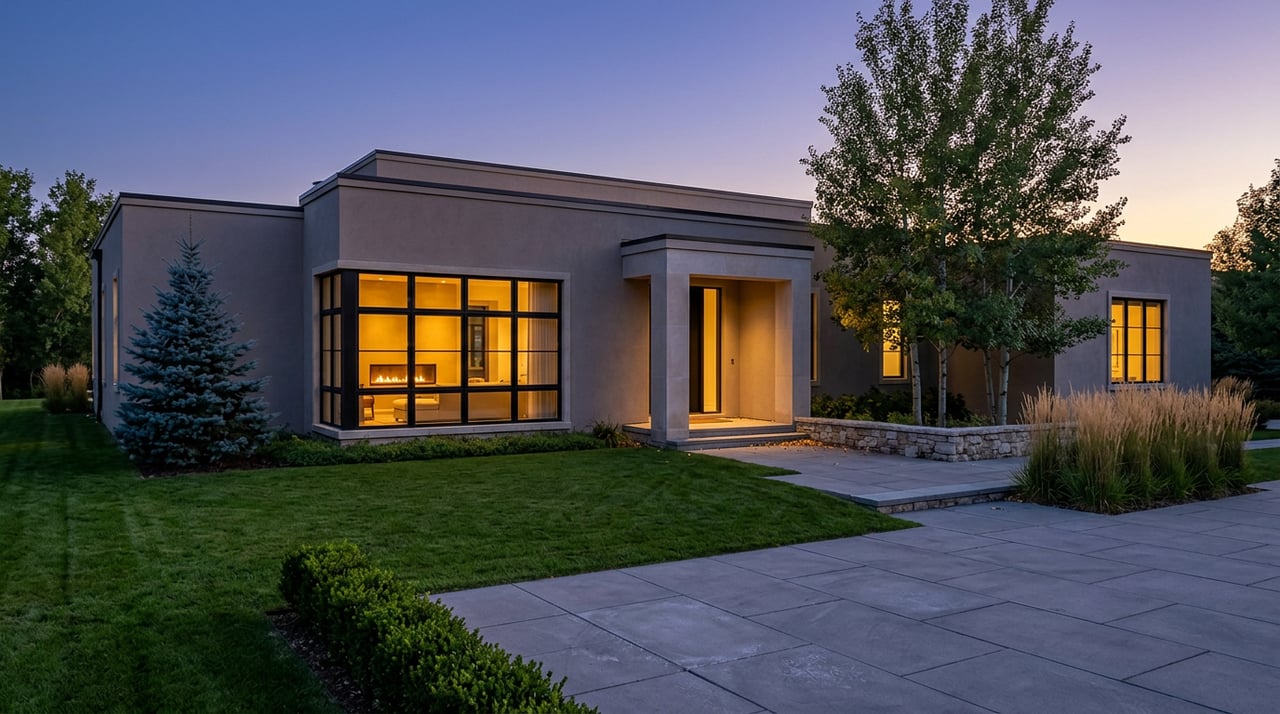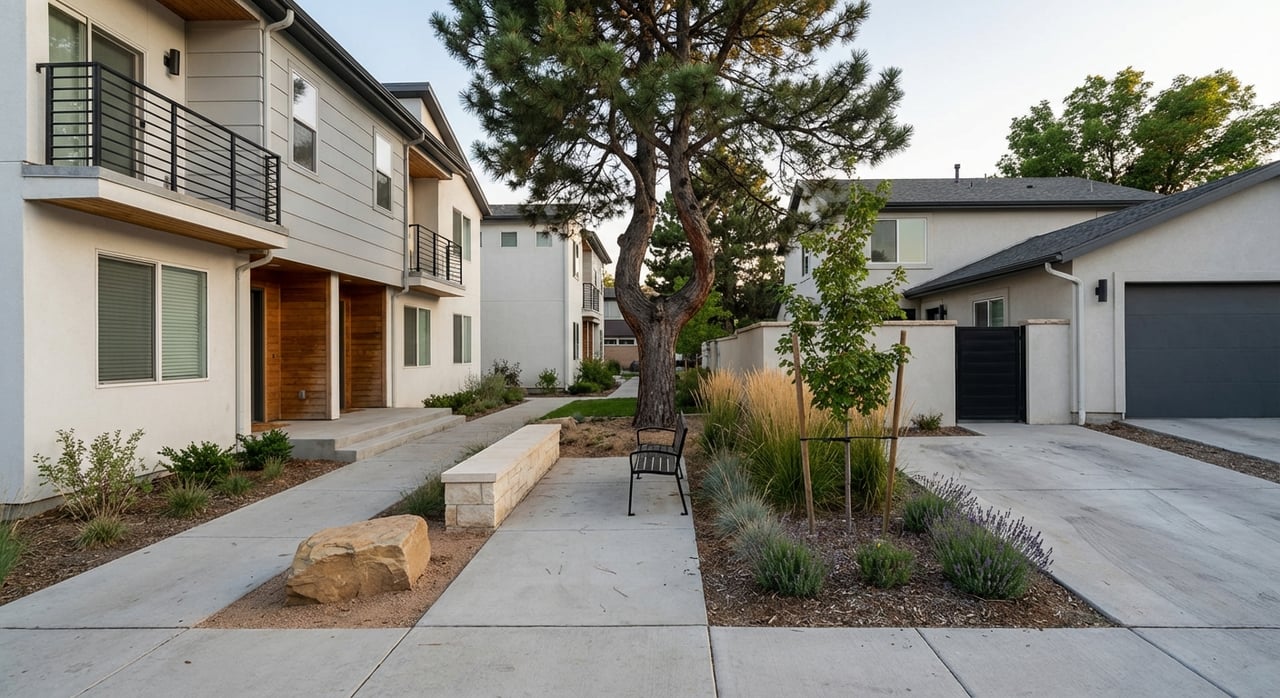
Trying to choose between a townhome and a single-family house in Castle Rock can feel like comparing apples to oranges. You might love the lower entry price and convenience of a townhome, yet crave the yard and flexibility of a house. The good news: with a clear cost breakdown and a few key checks, you can make a confident decision that fits your lifestyle and budget. In this guide, you’ll learn how prices stack up locally, what HOAs actually cover, how financing and insurance differ, and the practical steps to compare options side by side. Let’s dive in.
Castle Rock price snapshot
Castle Rock’s overall median sale and listing prices typically land in the high $600k to low $700k range, depending on the month. Townhomes and other attached homes often price below that, commonly in the mid $300k to mid $500k band. Many single-family homes in popular areas like The Meadows, Founders Village, and Crystal Valley Ranch often fall in the $500k to $800k range, depending on size, age, and finishes.
Recent months have leaned more balanced for buyers, with longer days on market compared to peak spring periods. That gives you a bit more time to compare neighborhoods and product types.
Property taxes in Douglas County are widely viewed as comparatively low versus many U.S. metros. Public data sources often place effective rates around 0.6 to 0.7 percent, but your actual bill depends on assessed value, specific taxing districts, and exemptions. For parcel-level clarity, review the county’s guidance on how assessments and mill levies work and confirm recent tax bills with the seller. The Douglas County Assessor’s FAQs explain timelines and calculations in plain language. You can also explore local tax context and property statistics via ATTOM’s overview of Castle Rock and Douglas County.
- Read the Douglas County Assessor’s guidance: assessment and tax FAQs
- Explore local property tax context: ATTOM Property Navigator
Townhome vs house: monthly cost
When you compare a Castle Rock townhome with an entry-level single-family home, focus on total monthly cost, not just the purchase price. A lower-priced townhome can still have a higher monthly outlay once HOA dues are added.
What to include in your budget
- Mortgage principal and interest
- Property taxes
- Homeowners insurance
- HOA dues if applicable
- A maintenance reserve for repairs and replacements
A practical rule of thumb for long-term planning is to set aside about 1 percent of the home’s value per year for maintenance, adjusted for age, size, and condition. Some people use about 1 dollar per square foot per year as another quick estimate. Learn more about common maintenance budgeting approaches from this overview of annual home maintenance costs: maintenance cost guide.
How HOAs change the math
Townhome associations in Castle Rock often cover exterior maintenance, landscaping, snow removal, trash, and parts of the building insurance. Monthly dues commonly range from roughly the low $100s to several hundred dollars per month depending on amenities and services. That predictability can be a plus if you value convenience and smaller surprise costs. Just remember that dues add to your monthly total and can change over time.
Single-family homes typically do not include exterior coverage in an HOA fee. You control your yard and exterior decisions, but you also assume the full cost of roof, siding, driveway, irrigation, and more.
Maintenance: predictability vs control
Townhomes and condos
- Pros: Routine exterior work is often handled by the association, which can smooth out costs and simplify your to-do list.
- Watchouts: You will pay recurring dues and can be subject to special assessments if reserves are not adequately funded or large projects are due.
Single-family homes
- Pros: Full control of your exterior, larger private yard potential, room for gardens or play areas, and possible flexibility for future additions subject to local rules and covenants.
- Watchouts: You shoulder all exterior repairs and replacements, which can arrive as lump-sum expenses.
HOA documents you must review
Before you remove contingencies, request and read the full HOA resale packet if you are buying an attached unit. Colorado’s HOA Information and Resource Center explains your rights and what associations should disclose. Focus on:
- Current budget and reserve study
- Reserve balance and planned capital projects
- Insurance certificate for the master policy
- Board meeting minutes for the last 12 to 24 months
- Any recent or pending special assessments
- Rental, pet, parking, and modification rules
- Any litigation history
Learn about buyer protections and documents from the state’s resource hub: Colorado HOA Information and Resource Center. For insight into why reserves matter and how they are planned, review CAI’s overview of reserve funding and requirements.
Financing: townhouse vs condo vs fee simple
“Townhouse” describes a building style, not the legal ownership. Your unit might be legally a condominium or fee simple. The legal form can affect underwriting, especially for FHA loans and some government-backed programs. If you plan to use FHA financing, confirm whether the project is FHA approved or whether it qualifies for single-unit approval.
- Check rules and approval pathways: HUD Condominium Program
Insurance: HO-6 vs HO-3
If your townhome is legally a condominium with a master policy, you will likely need an HO-6 policy for interiors, contents, liability, and potential loss assessment coverage. The master policy type matters. “Bare walls-in” has different owner responsibilities than “all-in.” For detached single-family homes, you will typically carry a standard HO-3 homeowners policy. As soon as you identify the master policy details from the HOA, ask your insurance agent for quotes tailored to the coverage gap.
- Learn the basics of townhome and condo coverage: HO-6 vs HO-3 overview
Lifestyle and space tradeoffs
- Space and privacy: Single-family homes often provide more interior square footage, larger private yards, and more distance between neighbors. Townhomes may have smaller private outdoor areas but give you a simpler, lock-and-leave lifestyle.
- Amenities and trails: Many Castle Rock master-planned neighborhoods offer pools, parks, and trail networks. Some single-family areas include these amenities through a metro district or HOA. Several townhome clusters also pair attached living with community features, so compare each community’s offerings.
- Future flexibility: If you are thinking about adding a workshop, vegetable garden, or additional outdoor living areas, a single-family lot can offer more options, subject to local rules and covenants. Townhome communities may have tighter modification guidelines.
Resale and appreciation
In many U.S. markets, single-family homes have benefited from the land component and sometimes show stronger long-run appreciation than condos. That is not a rule. Outcomes depend on neighborhood demand, property condition, and local comps at the time you sell. In Castle Rock, single-family neighborhoods typically price above many townhome offerings, which shapes future comparisons and buyer pools. Think about your likely time horizon and the type of buyer who might purchase your home next.
How to choose: quick fit guide
A townhome may fit if you want
- A lower entry price than many single-family options
- Exterior maintenance handled by the HOA
- Predictable monthly costs and convenience
- Lock-and-leave living near amenities and trails
A single-family home may fit if you want
- A private yard and outdoor projects
- More separation from neighbors
- Maximum control over exterior choices
- Flexibility for future changes, subject to rules
Your Castle Rock buyer checklist
Use this list to compare any two properties side by side.
- Confirm the legal property type. Is it fee-simple, site condo, or condominium ownership? If condo, ask your lender about FHA approval or single-unit approval as needed. Reference: HUD Condominium Program.
- Request the HOA resale packet early. Read the budget, reserve study, recent minutes, insurance certificates, assessments, and any rental or pet rules. Resource: Colorado HOA Information and Resource Center.
- Model the full monthly cost. Compare mortgage, taxes, owner insurance, HOA dues, and a maintenance reserve. If the HOA covers roof, exterior, water, trash, snow, or common utilities, reflect that in your maintenance line.
- Get insurance quotes. Confirm whether you need an HO-6 or HO-3, what the HOA’s master policy covers, and any master-policy deductible. Primer: HO-6 vs HO-3 basics.
- Verify property taxes. Pull parcel-level details and recent bills and review assessment timing and appeals with the county. Start here: Douglas County Assessor FAQs. For context, see ATTOM’s local tax overview.
- Check use rules that matter. Confirm parking and storage, short-term rental policy, pet rules, and any architectural restrictions. Use the state HOA center to clarify how these work.
- Lean on local expertise. A Castle Rock-focused agent and lender can interpret HOA budgets, metro-district details, and neighborhood comps so you can pick the right fit and negotiate with confidence.
If you want a calm, side-by-side comparison tailored to your goals, we’re here to help. From first tour to closing, our collaborative, female-led team brings round-the-clock responsiveness and deep south-metro market knowledge to your search. When you are ready, connect with The Denver Trio to explore the best townhome and single-family options in Castle Rock.
FAQs
What does a Castle Rock townhome HOA usually cover?
- Many local HOAs cover exterior maintenance, landscaping, snow removal, trash, and parts of the building insurance, but coverage varies by community, so confirm inclusions in the resale packet.
How do Castle Rock property taxes affect monthly payments?
- Douglas County’s effective rates are comparatively low in public data, but your bill depends on assessed value and taxing districts. Verify parcel details with the Douglas County Assessor.
Can I use FHA for a Castle Rock townhome purchase?
- Possibly. If the property is legally a condominium, the project may need FHA approval or single-unit approval. Review options with your lender and check HUD’s Condominium Program.
What insurance do I need for a condo-style townhome?
- You will likely need an HO-6 policy for interiors and contents while the HOA carries a master policy for common elements. Ask for the master policy certificate and get quotes tailored to the coverage gap.
Which appreciates more in Castle Rock: townhomes or houses?
- It depends on neighborhood demand and property condition. Single-family homes often command higher prices locally, but appreciation is market-specific. Compare comps and trends before deciding.