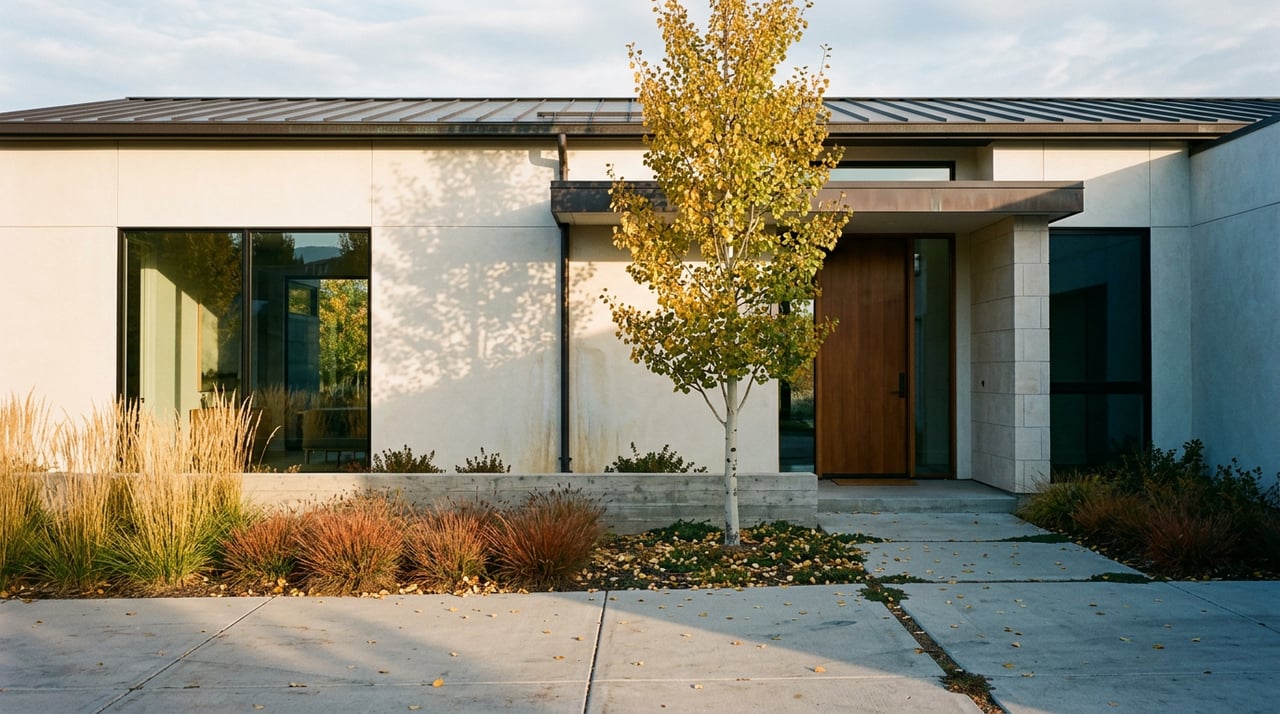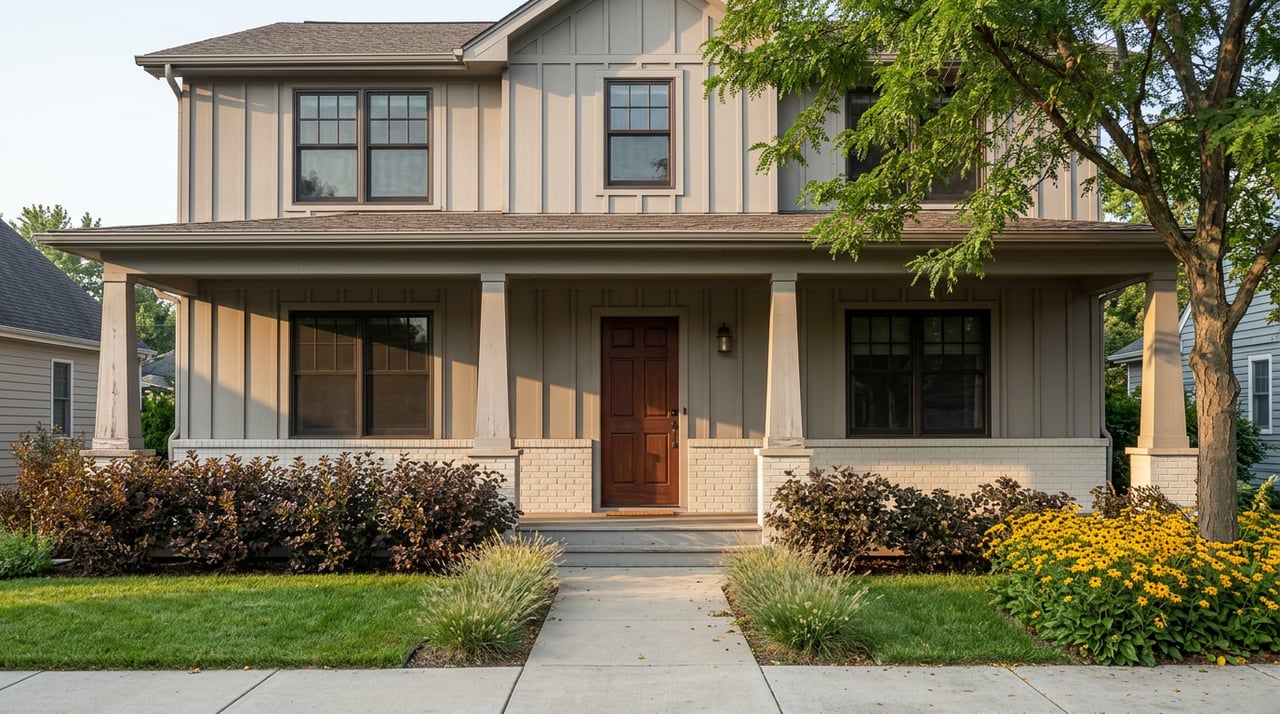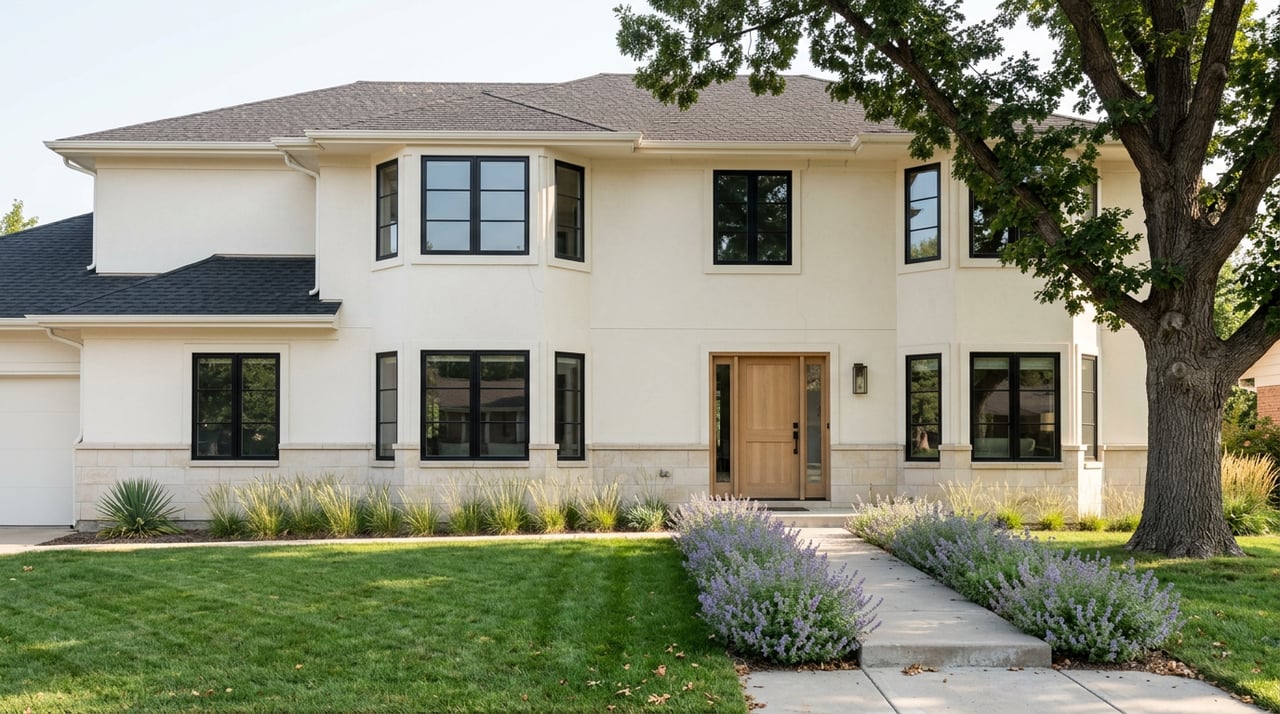
Two homes go under contract in Highlands Ranch the same week. Same square footage, same three-bedroom layout, half a mile apart. Both listings show an identical HOA line: $174 a quarter, payable to the Highlands Ranch Community Association. A buyer comparing the two on paper would assume the carrying costs are nearly the same.
They are not. One home sits inside a sub-association with its own monthly assessment for private landscaping and snow removal. The other has no sub-HOA at all. One home's assessed value places it inside a taxing district that will add several hundred dollars a year to the property tax bill, a cost that never appears on the HOA resale certificate because it isn't an HOA charge. It's a tax, set by an elected board, collected by Douglas County, and it shows up months later on a bill the buyer never thought to ask about at closing.
This is the part of Highlands Ranch that a median-price search or an HOA-fee comparison flattens into one tidy number. The real cost of owning here comes in three layers, and only one of them is what most buyers mean when they say "the HOA fee."
The number every listing quotes
The Highlands Ranch Community Association, known as HRCA, is the master association that nearly every property owner in town belongs to. For 2026, HRCA's total homeowner assessment is $696 a year, billed quarterly at $174, due in January, April, July, and October. Of that quarterly payment, $16 covers administrative functions and $158 funds recreation.
That $158 buys access to four recreation centers, Northridge, Southridge, Eastridge, and Westridge, more than 70 miles of paved trails, dozens of neighborhood parks, and the private Backcountry Wilderness Area. It also helps fund more than 100 community events a year run through HRCA and the Highlands Ranch Cultural Affairs Association.
Measured against what a family would pay out of pocket for four separate rec center memberships, that assessment is a genuine value. It's also, on its own, a misleading way to compare Highlands Ranch to any other south-metro suburb, because it's only the first of three cost layers stacked on top of a home here.
The line that varies by village
Layer two sits below HRCA and is easy to miss because it doesn't apply to every property. Many Highlands Ranch neighborhoods, particularly newer or more amenity-heavy villages, also carry a sub-association with its own separate dues, often covering private-road snow removal, additional landscaping, or gated entry maintenance.
Two houses can carry the identical $174 HRCA line and still differ by a meaningful monthly amount once the sub-HOA is added in. There's no single number to quote here, because the whole point is that it depends on the address. The only way to know is to pull the specific sub-association's resale certificate for the home you're actually considering, not a neighborhood average someone quoted you.
The layer that isn't an HOA at all
The third layer is the one buyers relocating from outside Colorado are most likely to miss entirely, because it doesn't live in HOA paperwork. It lives on the Douglas County property tax bill.
The Highlands Ranch Metro District is a separate unit of local government, created to fund and maintain public infrastructure such as roads, parks, and drainage. It's governed by an elected board, not a homeowners association board, and it raises money through a mill levy, a tax rate applied to your home's assessed value, rather than through dues.
For five straight years, the district held its mill levy at 11.205, a rate the district itself describes as roughly 12 percent below the maximum of 12.750 authorized by voters. In 2024, facing a sharp jump in assessed home values and the fallout from the failed Proposition HH ballot measure, the board cut the levy further, to 10.110, a 9.7 percent reduction from 2023. Even with that cut, district revenue still climbed by about $2.6 million, because assessed values had risen faster than the rate fell. As the district's community relations manager Sherry Eppers explained to the Highlands Ranch Herald,
"the number of mills certified by the board is lower than what the TABOR restriction allows"
On a home valued at $500,000 in 2024, that levy worked out to $339 for the year. On the town's median home value at the time, $706,480, it came to roughly $479.
That's the mechanism worth sitting with. The board can lower the rate and still collect more money, because the rate applies to assessed value, and assessed value has been moving faster than the rate has been falling. A buyer who assumes a past mill levy will hold steady is assuming something the district's own five-year history doesn't support. The district publishes a new proposed budget and mill levy every year, and the current figure for any given tax year is worth pulling directly from that filing or from the Douglas County Treasurer's office before you write an offer, not from a number you remember from a friend's closing two years ago.
The three layers, side by side
| Layer | Who sets it | Where it shows up | What it funds |
|---|---|---|---|
| HRCA master assessment | HRCA board | HOA resale certificate | Four rec centers, trails, parks, events |
| Sub-HOA dues | Neighborhood association board | Sub-HOA resale certificate, varies by village | Private landscaping, snow removal, gated access |
| Metro District mill levy | Elected Metro District board | Douglas County property tax bill | Roads, parks, drainage, public infrastructure |
Only the first two rows come from an HOA. Only the third row is a tax, and it's the one most likely to be missing from a buyer's mental math because it never arrives with the word "HOA" attached to it.
Why this matters the moment you start comparing suburbs
Every south-metro Denver community handles this differently. Newer developments elsewhere in the metro are sometimes built by districts still repaying early infrastructure bonds, which can mean a heavier mill levy now that eases as the debt gets paid down over time. Highlands Ranch's district is older and its major capital work is largely built out, which is part of why the board has had room to cut its rate in recent years even while collecting more in total revenue.
None of that means one town is cheaper than another. It means the HOA fee printed in an MLS listing was never designed to answer that question. Comparing a Highlands Ranch home to something similar in Castle Rock, Lone Tree, or Littleton on true housing cost means pulling the actual mill levy and bond schedule for the specific district that covers the specific parcel, the same way you'd pull comps for the home itself.
A few questions worth asking before you write an offer
Does every Highlands Ranch home pay into the Metro District? Nearly all residential property in Highlands Ranch falls within the district's boundaries, though the exact mill levy can vary depending on which specific district or subdistrict a parcel sits in. The county treasurer's tax bill will show the current line item for any given address.
Is the Metro District the same organization as HRCA? No. HRCA is a private community association that collects dues and runs recreation and amenities. The Metro District is a public government entity with taxing authority that funds infrastructure. They're governed by different boards and appear on different documents entirely.
Where do I find the current mill levy for a specific year? The Metro District publishes its proposed and adopted budget, including the mill levy, each year on its own financial transparency page. For historical tax records and the current assessed value on a specific parcel, the Douglas County Treasurer's office is the authoritative source.
The takeaway for your search
A $174 quarterly HOA fee is real, and it buys real amenities. It's also the smallest and most stable piece of what a Highlands Ranch home actually costs to hold long term. The sub-HOA line and the metro district mill levy move independently of HRCA, move differently from one village to the next, and neither one is obligated to sit still just because the last couple of years were quiet.
If you're weighing a home here against something similar in Castle Rock, Lone Tree, or Littleton, the honest comparison starts with pulling all three numbers for the actual address, not the neighborhood's reputation for one of them.
The Denver Trio builds this kind of side-by-side breakdown into every comparison we put together for buyers weighing Highlands Ranch against the rest of the south-metro map. If you're looking at specific addresses and want the real numbers before you write an offer, reach out and we'll pull them together with you.