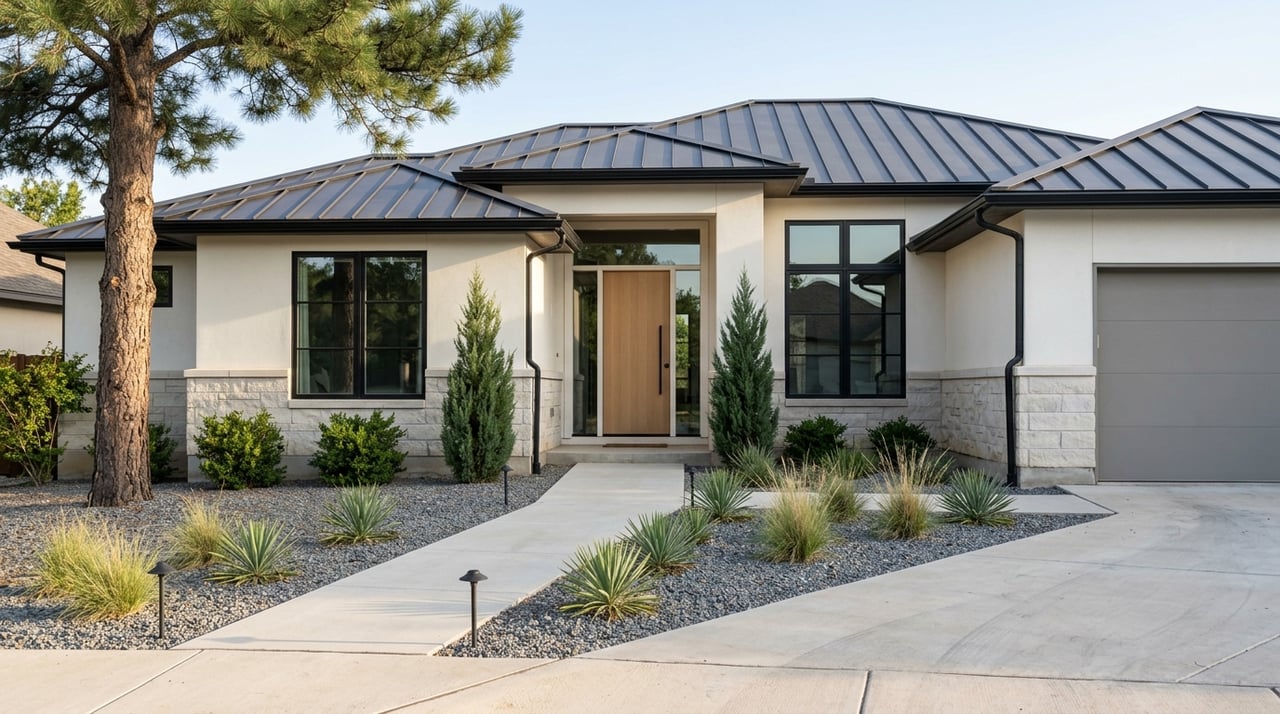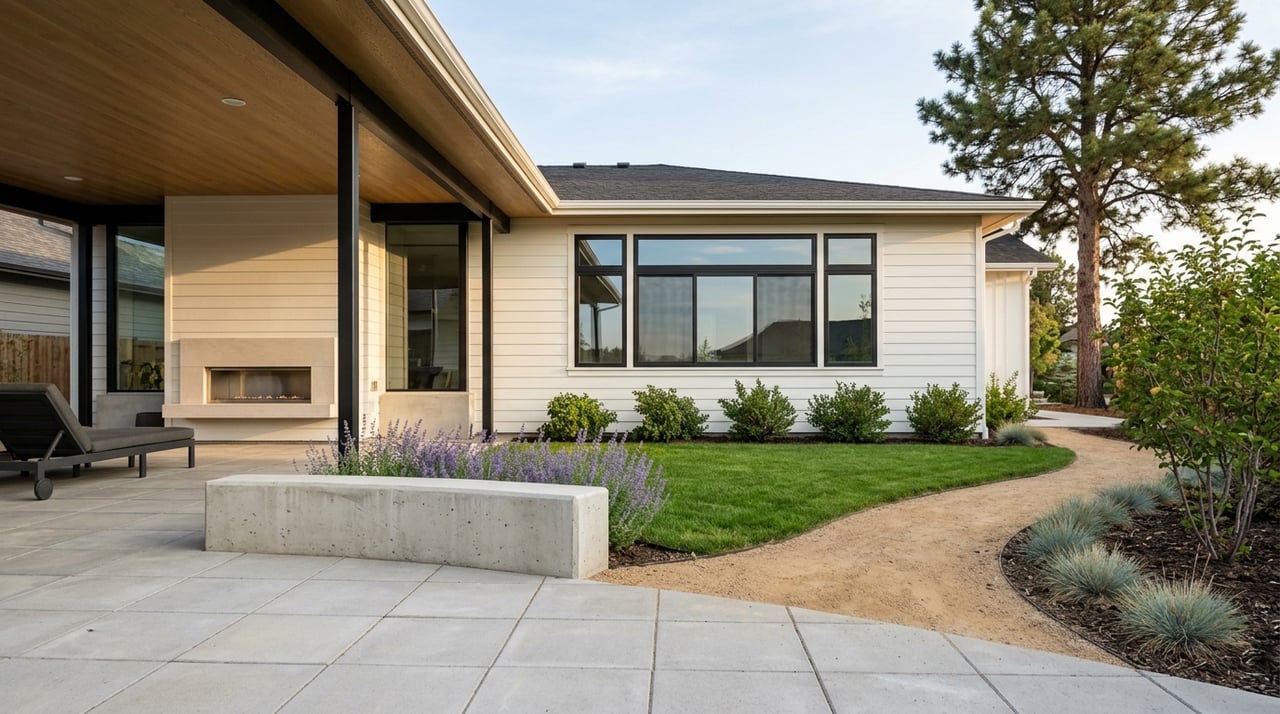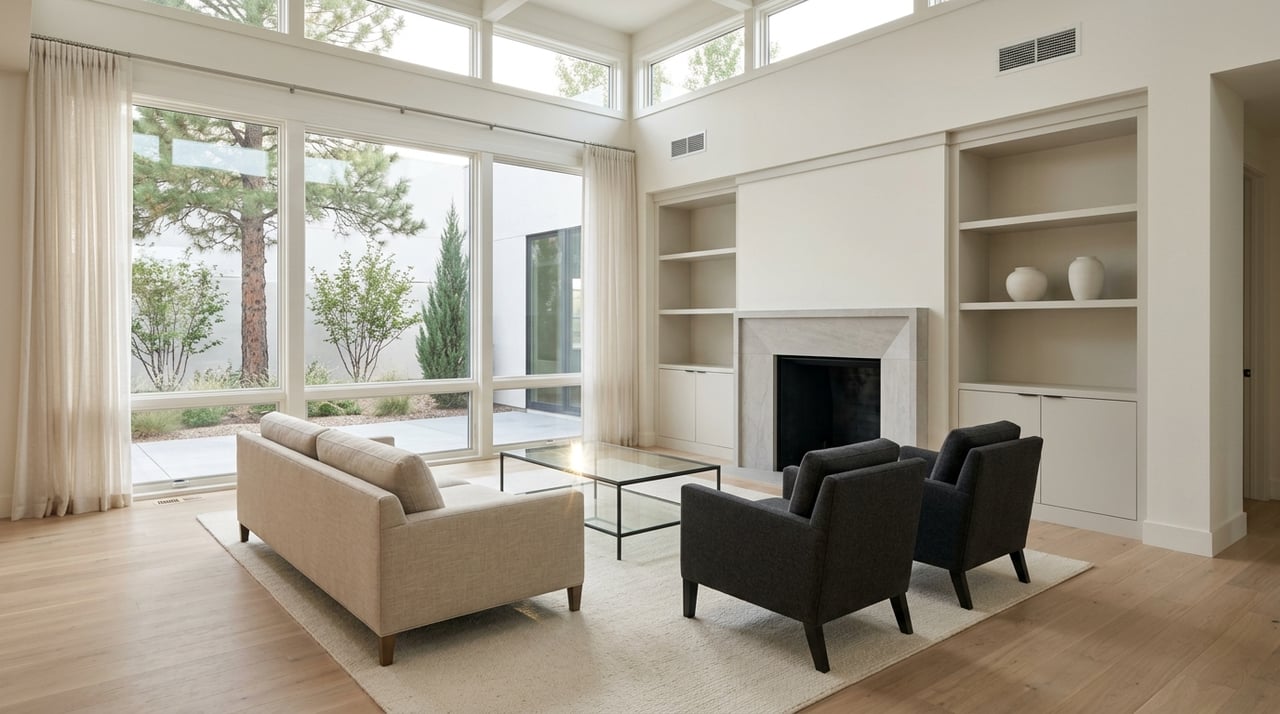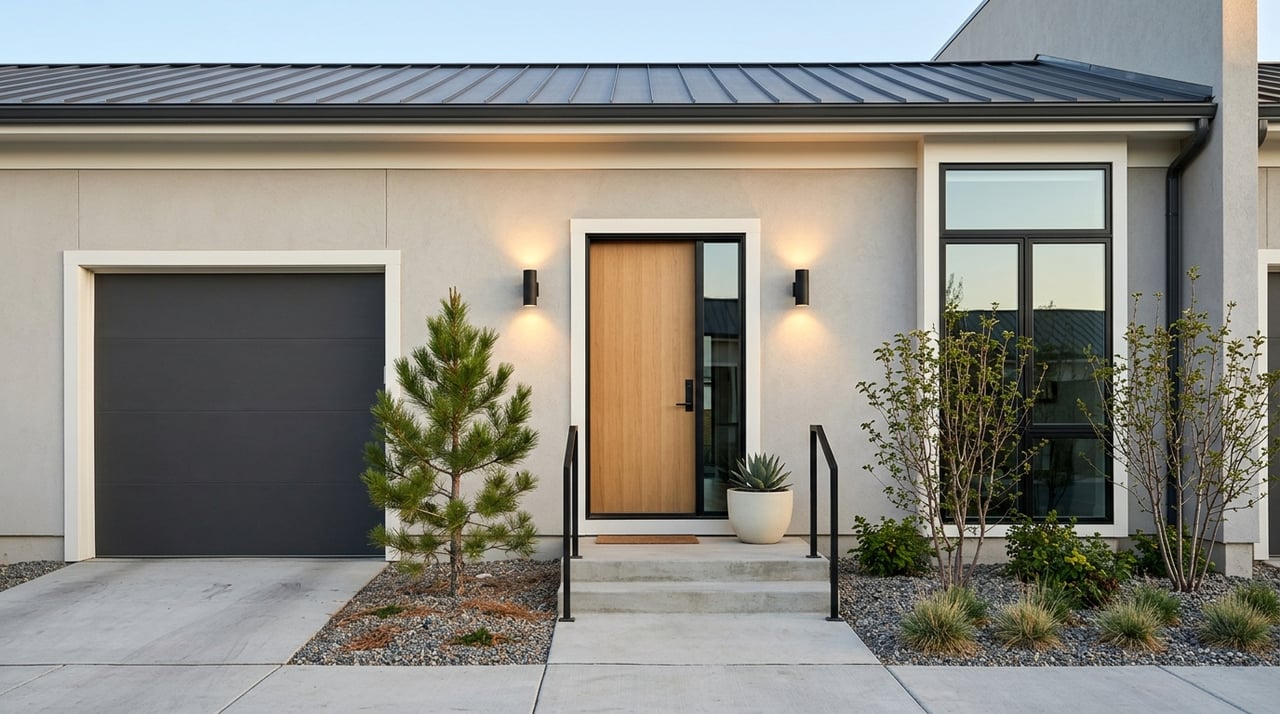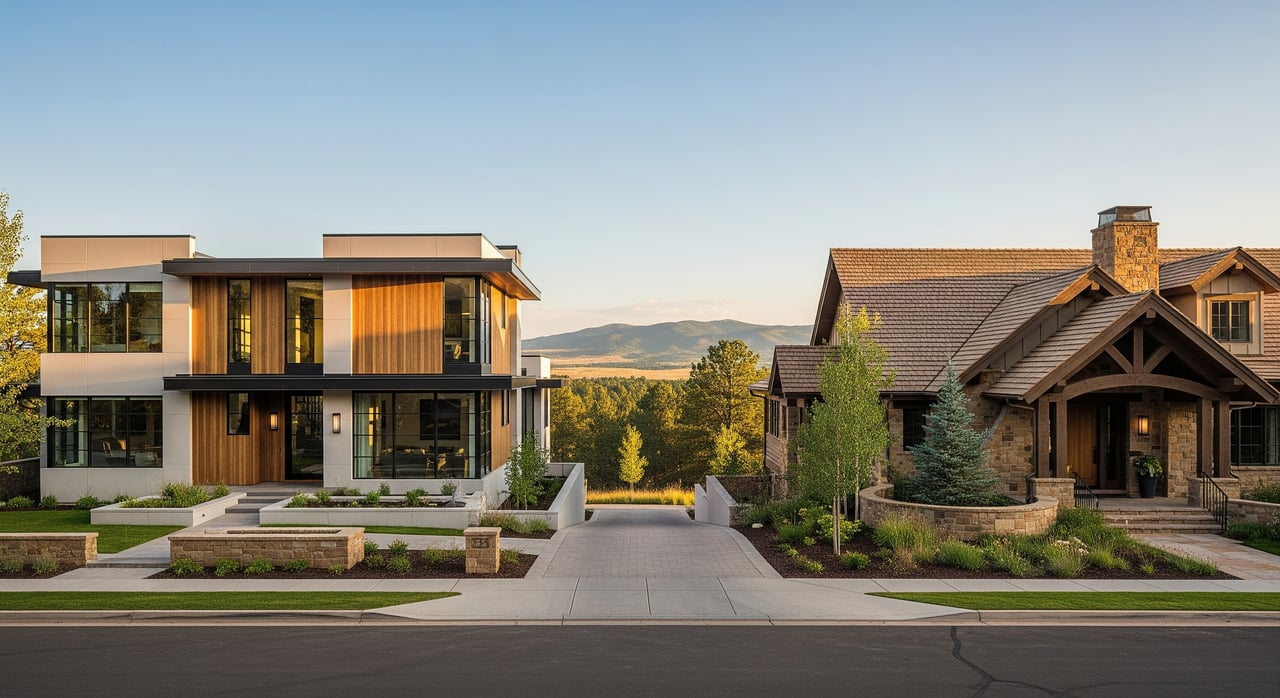
Torn between a brand-new build and a beautifully kept resale in Castle Pines? You are not alone. Move-up and luxury buyers often weigh timing, taxes, customization, and long-term upkeep before deciding. This guide breaks down what matters most in Castle Pines so you can compare costs, risks, and lifestyle fit with clarity. Let’s dive in.
Castle Pines decision landscape
Castle Pines blends established neighborhoods with newer, master-planned communities. This mix means your choice often comes down to lot availability, builder activity, HOA rules, and whether a home sits in a special district that adds to your property tax bill. Market pace and inventory shape your leverage, too, especially if you need to sell another home first.
Before you choose, plan to review property tax history, any metro district details, HOA documents, and contract terms. A local agent who works both new construction and resale in Douglas County can help you compare the real numbers for your shortlist.
Timelines and closing logistics
New construction timelines
The typical path is lot selection, contract, design choices, construction, walk-through, and closing. Build times vary by builder and model. Many production builds run about 4 to 9 months from permit to completion, while custom and luxury builds can take a year or more. Spec homes that are finished or underway can often close in 30 to 120 days, depending on readiness and lending.
Builders sometimes use preferred lenders and may set target windows rather than firm dates. Deposits and contingency language differ from resale contracts, so review the fine print before you commit.
Resale timelines
For resale, contract to close is commonly 30 to 45 days if financing and appraisal are straightforward. You have standard protections like inspection, appraisal, and loan contingencies that you can negotiate. If you are a move-up buyer who needs to sell first, the strength of your offer and timing depend on how you structure those contingencies.
- If you need a firm move-in date, a resale or finished spec home is usually less risky.
- If you have flexibility and want personalization, a new build can be worth the wait.
- Verify any builder options for delayed closing or temporary occupancy in writing.
Warranties and inspections
New construction warranties
Many builders offer a “1-2-10” style warranty. That often means one year for workmanship, two years for systems, and ten years for major structural items. Coverage, claim processes, and transferability vary by builder and state. Independent inspections are still smart, including pre-drywall and final checks, but some contracts limit timing or access. Ask for the full warranty and service procedures up front.
Resale protections
With resale, your protection comes from seller disclosures and your inspection contingency. Inspections can uncover deferred maintenance and system age. You can negotiate repairs, credits, or a price adjustment based on findings. For older or luxury homes, plan for more variability in systems and potential upgrades after closing.
Design choices and the true cost
New builds and the design center
A builder’s base price covers a standard package. Most buyers add structural options, mechanical upgrades, finish selections, and a lot premium if applicable. These choices can carry markups and change-order fees. Ask for an itemized list of upgrade pricing, whether prices are locked at selection, and the process if you change your mind. Transparency early helps you manage your budget.
Resale pricing and renovations
Resale pricing is generally all-inclusive. If you want to change flooring, counters, or layout, you can remodel after closing or negotiate credits in your offer. Remember to factor in design fees, contractor timelines, and any HOA approvals. Getting bids before you write helps you compare real costs between a new build and a remodel of a resale home.
Metro districts and taxes
Many new Castle Pines communities are in special districts, often called metro districts, that fund infrastructure like roads, utilities, and parks. These districts can issue bonds and collect additional property tax levies, which appear on your tax bill. Older neighborhoods may have lower or no active metro district levies, so the difference in annual carrying costs can be meaningful.
What to verify for any Castle Pines home:
- Ask for the metro district name, current mill levy, and the bond repayment or assessment schedule.
- Review the latest property tax bill and any special assessments or fees that could be due at closing.
- Confirm HOA dues, rules, and whether any capital assessments are planned.
- Include total taxes, district levies, HOA dues, insurance, and utilities when comparing monthly payments.
Landscaping and curb appeal
New construction usually includes basic landscaping like young trees, sod or seed, irrigation to the lot, and simple plantings. Privacy and shade from young trees can take years to develop. Some builders offer upgraded or mature landscaping for an added cost, and they may set timing requirements for installation.
Resale homes often deliver immediate curb appeal through mature trees, established lawns, fencing, and patios. While that can be a big aesthetic and value win, mature landscaping requires care and can sometimes hide issues like irrigation leaks or root impacts. Include landscape and drainage checks in your inspection strategy.
Negotiation leverage and incentives
New construction prices can be more rigid on base cost, especially for popular models. Your leverage often shows up as incentives like closing-cost credits, rate buydowns, upgrade packages, or lot premium reductions. Spec homes and soft inventory periods tend to offer the best builder flexibility. Make sure every incentive and upgrade is documented in the contract.
Resale negotiations depend on local inventory and days on market. You may be able to negotiate price, repairs, and closing costs, especially if the home has been listed for a while or needs updates. Strong preparation and clear terms improve your position.
Negotiate smart:
- Compare net cost after incentives, not just list price.
- For new builds, understand deposit amounts, when they become non-refundable, and inspection limitations.
- For resale, use inspection results to request repairs or credits that match real costs.
Quick comparison for Castle Pines buyers
- Timeline to move-in
- New: Brand new systems and finishes, but build times can extend and exact dates may shift.
- Resale: Faster closings are common, though you may plan renovations after closing.
- Cost certainty at contract
- New: Base price is clear, but design-center selections and lot premiums can increase the final price.
- Resale: Total price is known at contract, with potential credits for repairs after inspection.
- Customization
- New: Highest flexibility on layout and finishes, especially early in construction.
- Resale: Customize later through remodeling, which adds time and cost.
- Warranties and early repair risk
- New: Builder warranties often cover workmanship, systems, and structure for defined periods.
- Resale: No builder warranty, but inspections and negotiations can offset immediate repair costs.
- Landscaping and curb appeal
- New: Fresh install with minimal immediate maintenance, but limited privacy and canopy at first.
- Resale: Mature landscaping and immediate character, with ongoing maintenance to consider.
- Metro district taxes and assessments
- New: More likely in active districts that add to annual property taxes.
- Resale: Established areas may have lower or no district levies, though HOA fees may still apply.
- Negotiation leverage
- New: Incentives are common for spec homes or softer markets.
- Resale: Price, repairs, and timing are more often negotiable based on market conditions.
Smart questions to ask
If you are considering new construction
- What is included in the base price, and can you provide an itemized list of structural, mechanical, and finish options?
- Can you provide the full written warranty, including scope, duration, claim process, and transferability?
- How are upgrades priced in the design center, and are those prices locked at selection?
- What is the typical build timeline for this model and lot, and what happens if the target date is missed?
- Is this property in a metro district, and what are the current mill levy, bond schedule, and projected assessments?
- What are the HOA dues, rules, and any planned capital assessments, and may I review the CC&Rs?
- Are third-party inspections allowed at pre-drywall, mechanical, and final stages, and are there any limitations?
- What deposits are required, when do they become non-refundable, and what are the refund conditions?
- Who is the preferred lender, what incentives are available, and are incentives contingent on using that lender?
- What landscaping is included, are mature options available, and is there a landscape warranty or maintenance period?
If you are buying resale
- Will you provide full seller disclosures, permits for work done, recent utility bills, and a history of major repairs?
- What are the HOA dues, any special assessments, and any known pending capital projects?
- Are there known issues with drainage, foundation, roof, HVAC, or electrical systems?
- Can you share recent inspection reports, maintenance contracts, or transferable warranties?
- How long has the home been on the market, and have there been price reductions?
- What is included in the sale, including appliances, fixtures, and landscape features?
- Are there any neighborhood or legal disputes, such as easement questions or encroachment issues?
- Can we review recent comparable sales in the immediate area to evaluate pricing?
How to choose with confidence
Start by running the full monthly numbers for each home on your shortlist. Include property taxes with any metro district levies, HOA dues, insurance, and utilities. Then layer in soft costs like design-center upgrades, potential rate changes during a build, post-close remodeling, and landscaping. For luxury budgets, get independent bids for custom finishes or hardscaping to compare apples to apples with upgraded resale options.
Request all key documents early. That includes the builder contract and warranty packet, HOA CC&Rs, metro district disclosures, title commitment, seller disclosures, and any inspection reports. The more clarity you have before you write an offer, the smoother your path to closing.
When you are ready to compare neighborhoods and specific homes in Castle Pines, connect with a team that knows both sides of the market. With coordinated coverage, negotiation expertise, and relocation support when needed, The Denver Trio can help you align timing, cost, and lifestyle so you can move with confidence.
FAQs
What is a metro district and how does it affect Castle Pines buyers?
- A metro district is a special taxing district that funds infrastructure and can add levies to your property tax bill, which affects your monthly payment and long-term affordability.
How long does new construction usually take in Castle Pines?
- Many production builds run about 4 to 9 months from permit to completion, while custom or luxury builds can take a year or more, and finished spec homes may close in 30 to 120 days.
Do I still need an inspection on a new build?
- Yes, independent inspections are wise, including pre-drywall and final checks, since builder warranties have limits and inspections can catch issues before closing.
Are new construction prices negotiable?
- Base prices can be firm, but builders often offer incentives like closing costs, rate buydowns, or upgrade packages, especially for spec homes or when inventory is softer.
What costs should I compare between a new build and a resale?
- Compare total purchase price, design-center upgrades or remodel costs, metro district levies, HOA dues, insurance, utilities, timing risks, and any credits or incentives.
How do mature landscaping and new landscaping impact value and upkeep?
- Mature landscaping adds immediate curb appeal and privacy but needs ongoing care, while new installs need time to mature and may require initial maintenance.